
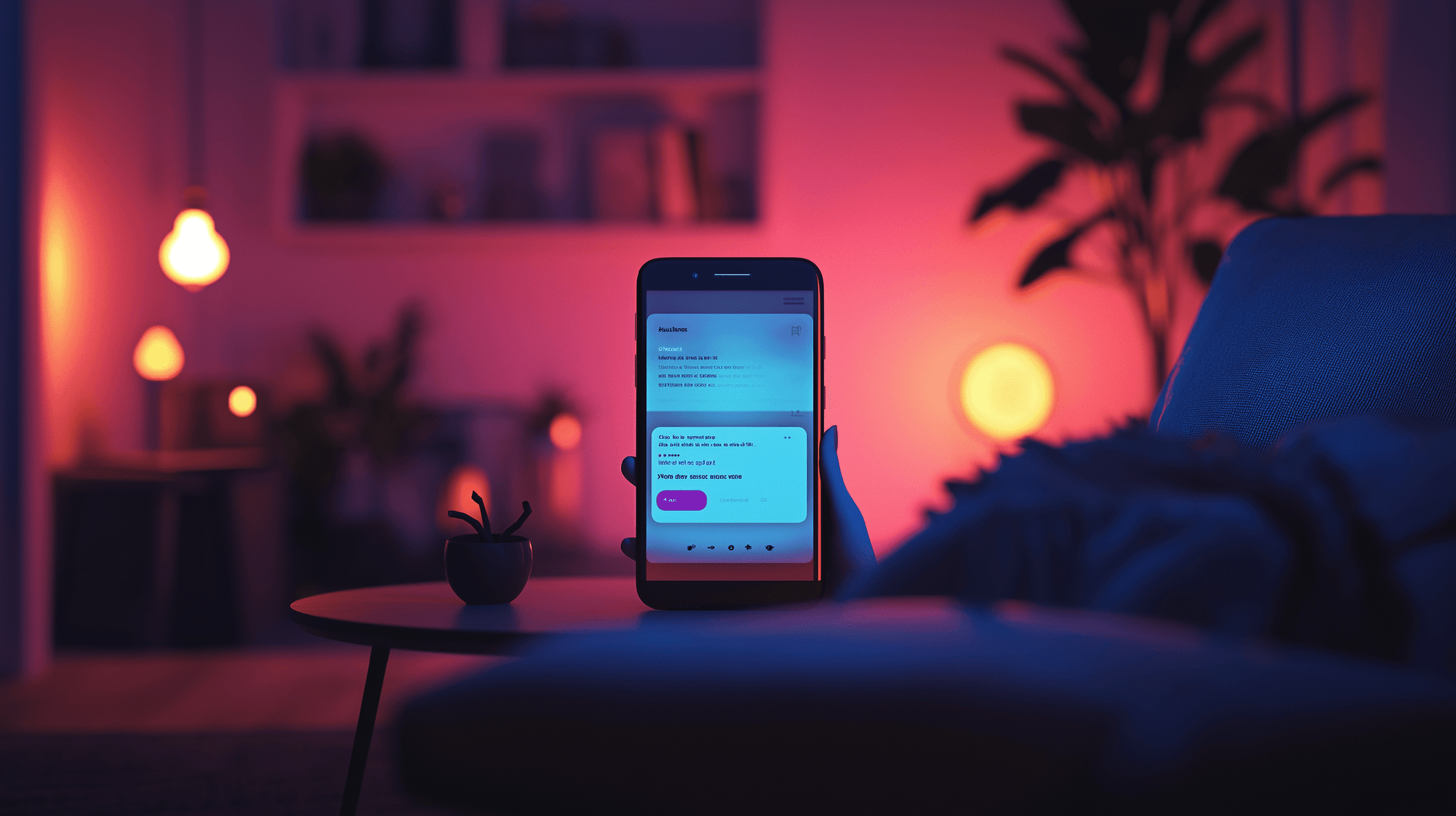
More than a billion people live with a mental health condition. How AI tools are helping close the care gap, and where their limits are.
WTMF Team
With more than 1 billion people living with mental health conditions worldwide, AI-powered tools are emerging as critical allies in bridging the care gap. From chatbots offering immediate support to predictive algorithms identifying early warning signs, technology is redefining how we approach emotional well-being. AI mental health apps like Wysa and WTMF don’t replace traditional therapy, but they are becoming a first stop for people seeking accessible, stigma-free support; as of October 2026, Wysa says it has over 6 million users. Woebot, one of the early pioneers, retired its app on June 30, 2025.
The global mental health crisis, exacerbated by therapist shortages and rising costs, has created a demand for scalable solutions. AI chatbots fill this void by providing 24/7 support, personalized interventions, and anonymity. Apps like Youper have used cognitive-behavioral therapy (CBT) techniques such as cognitive restructuring to help users reframe negative thoughts, while an early randomized trial of Woebot found that two weeks of CBT-based daily conversations and mood tracking reduced depression symptoms in college students compared with an information-only control group. These tools leverage natural language processing (NLP) to analyze text and voice cues, adapting responses to users’ emotional states in real time.
While AI chatbots excel at providing nonjudgmental support, their effectiveness hinges on users’ perception of their “humanness.” A 2024 Frontiers in Psychology experiment found that emotional support from chatbots lands best when users implicitly attribute a human-like mind to them. When they don’t, empathetic messages can backfire and feel less helpful, while practical, informational support holds up either way. WTMF’s approach is to lead with active listening and offer advice when you ask for it.
In the coming years, AI tools will likely integrate multimodal inputs-combining voice, text, and biometric data-to offer more personalized support. Data from wearables like Fitbit and Apple Watch could enable real-time health monitoring, while generative AI advances will allow chatbots to simulate therapeutic dialogues with unprecedented nuance.
However, the field must prioritize ethical guardrails:
AI is not replacing therapists-it’s expanding access to mental health care. For the more than 1 in 5 U.S. adults living with a mental illness, apps like WTMF offer a first step toward healing: a judgment-free space to articulate fears, track progress, and regain agency. As technology evolves, the goal remains clear: to make emotional support as ubiquitous as the devices we carry, ensuring no one struggles in silence.
Sources: npj Mental Health Research 2024 (emotional sanctuary), Frontiers in Psychology 2024 (mind perception), PNAS 2024 (feeling heard), JMIR Mental Health 2017 (Woebot trial).
More on ai and mental health and the topics around it